A useful aluminum panel quotation explains what is being supplied, what is excluded and which approvals are still needed. A rate per square metre is only one line in that comparison. Before asking which offer is cheaper, make both suppliers price the same panel package and the same delivery scope.
Which details change the manufacturing cost?
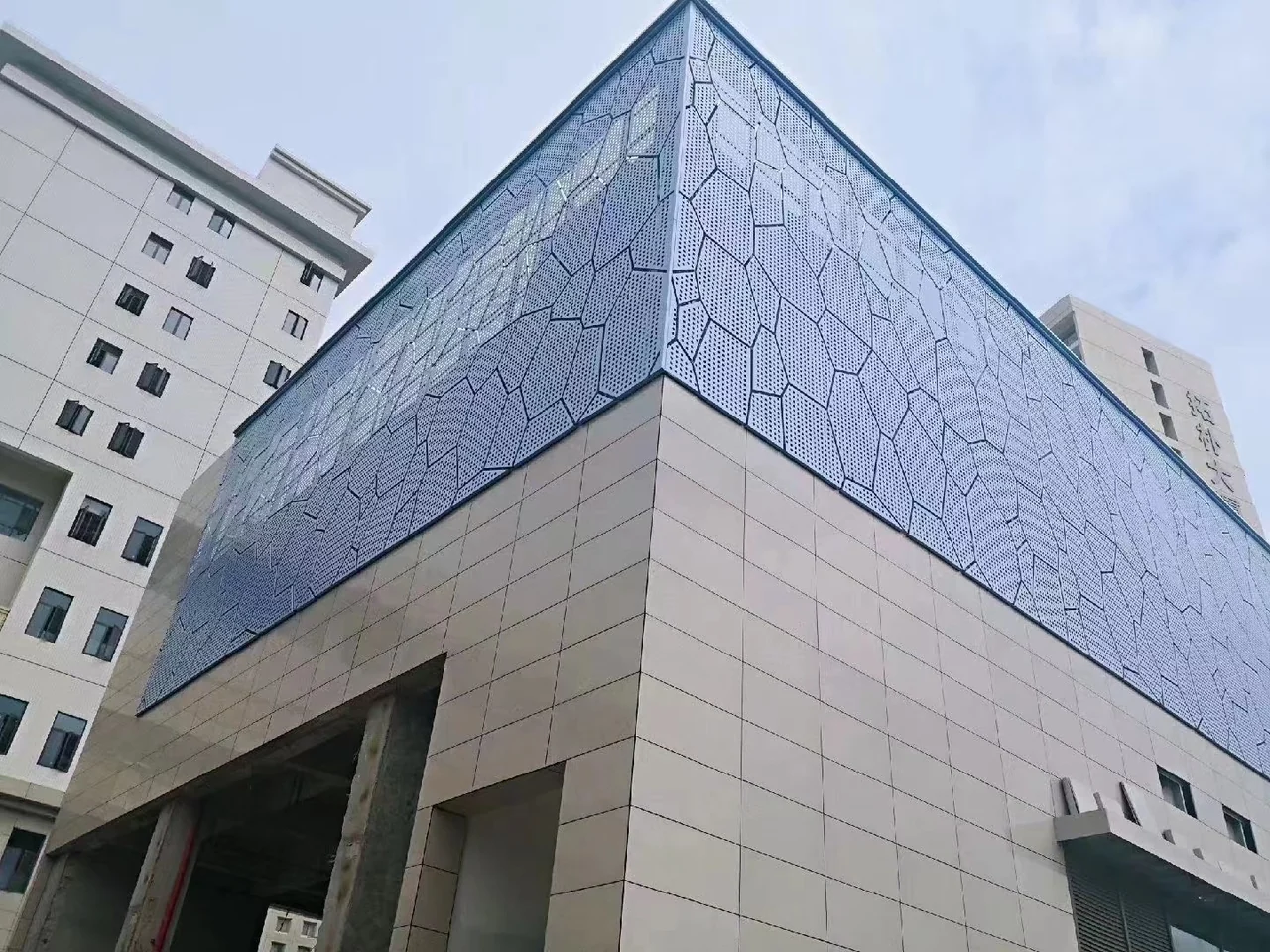
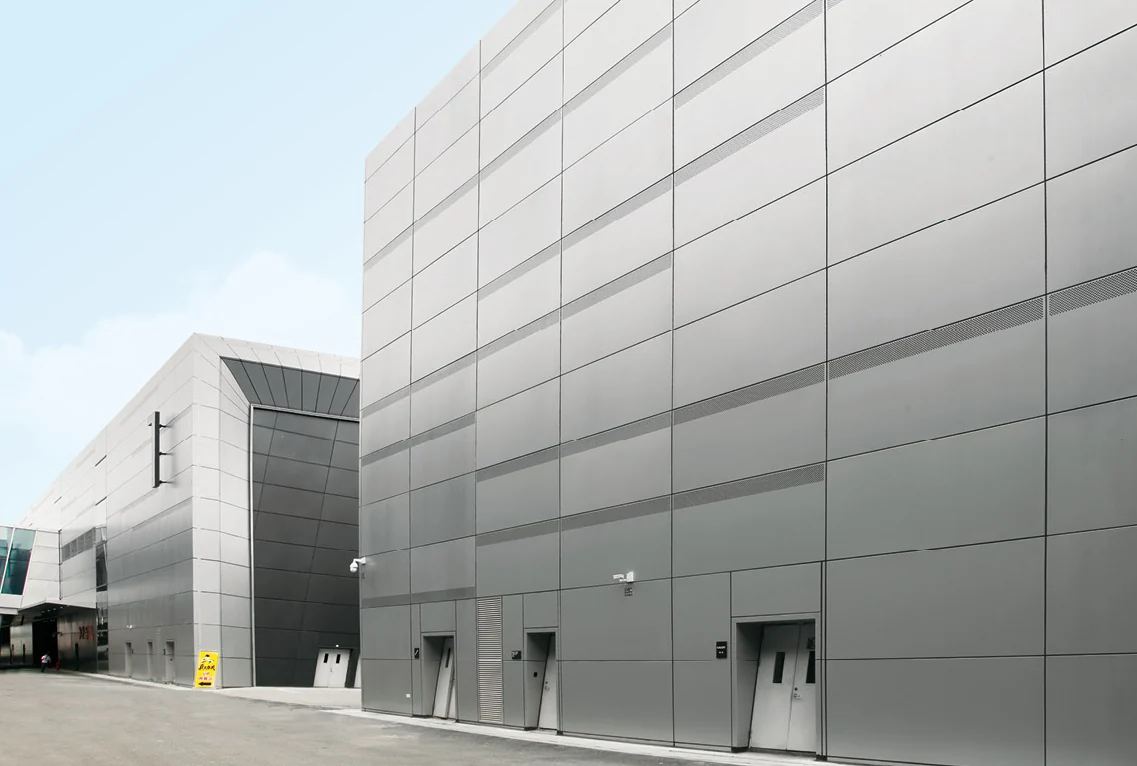
Metal quantity depends on the specified construction and developed geometry, not just the visible face area. Returns, irregular outlines and nesting affect material use. Machining, perforation, curved forming, welding, finishing and inspection add different operations. A repeated rectangular panel is therefore not equivalent to an assortment of unique corners with the same combined face area.
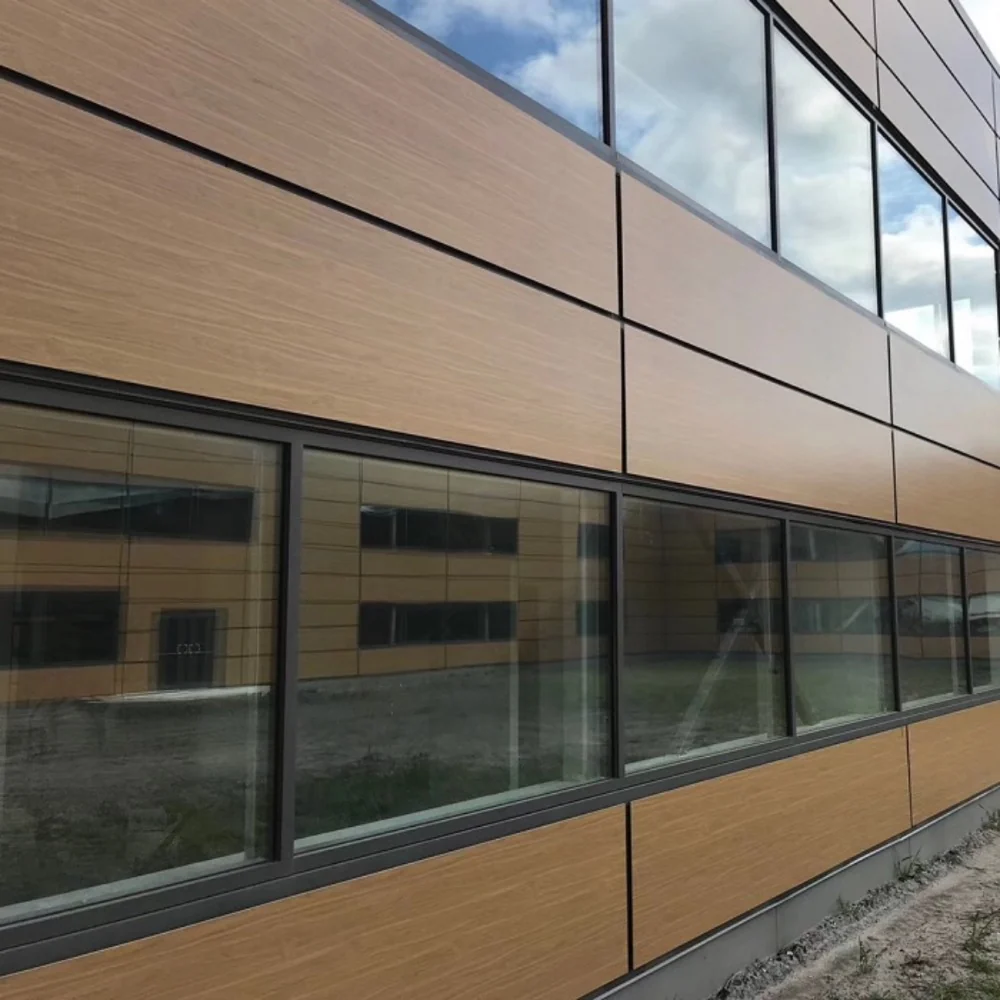
The finish also needs a defined scope: process, coating system, colour, gloss, pattern direction and coated surfaces. Small mixed-colour batches and special appearance approvals can create work that a single standard colour does not. Ask for these differences as explicit line items or qualifications instead of assuming every finish is interchangeable.
Send an RFQ package that can be priced consistently
- A layout and panel schedule with sizes, quantities, IDs and drawing revision.
- Typical and special sections, including returns, curves, openings and fixings.
- Material, sheet or skin thicknesses, core construction where relevant, and permitted alternatives.
- Finish code or sample requirement, exposure and the surfaces to be finished.
- Accessories, performance submissions, inspection and packaging requirements.
- Destination, requested delivery sequence and the commercial delivery basis.
If the design is not final, distinguish confirmed information from allowances. For example, ask for a provisional price for a stated panel schedule and list the unresolved radius or finish separately. Do not let a budget estimate be mistaken for a released manufacturing order.
Use a scope matrix beside the price
| Item | Information to compare |
|---|---|
| Panels | Construction, dimensions, quantity basis, finish and fabrication detail |
| Supporting parts | Brackets, carriers, connectors, hangers and perimeter pieces; supplied or excluded |
| Special work | Openings, curves, welded corners, mock-ups and individually developed parts |
| Evidence | Specified tests, inspections, reports and the assembly represented |
| Packing | Protection, package identification, lifting requirements and installation-zone grouping |
| Delivery | Named location, transport and insurance responsibilities, duties and unloading scope |
Keep alternatives in a separate column. A changed core, thinner face or different finish may alter both price and performance. Approve the technical deviation before treating it as a saving on the original requirement.
Worked quantity check: installed area is not the order quantity
Assume 200 panels with finished faces of 1.2 × 0.6 m. Their total face area is 144 m².
If the order includes 8 additional identical spare panels, the ordered count is 208 and the combined face area is 149.76 m².
The extra 5.76 m² represents identified spares, not an unexplained waste allowance. This take-off does not include developed returns, brackets, perimeter closures or special pieces. State whether the supplier’s rate is applied to installed face area, supplied face area, developed area or another agreed basis.
For strip ceilings, orderable quantities may be linear metres and individual lengths rather than square metres. For shaped cladding, piece-by-piece pricing can make exceptional geometry clearer. Retain both the quantity schedule and the unit basis so the final invoice can be reconciled with the order.
Name the delivery place and separate cost from risk
If Incoterms® rules are used, identify the selected rule, precise named place or port and edition. A destination name does not always mean that transport risk transfers there. Clarify loading, export/import formalities, freight, insurance and unloading for the agreed rule rather than relying on “shipping included.”
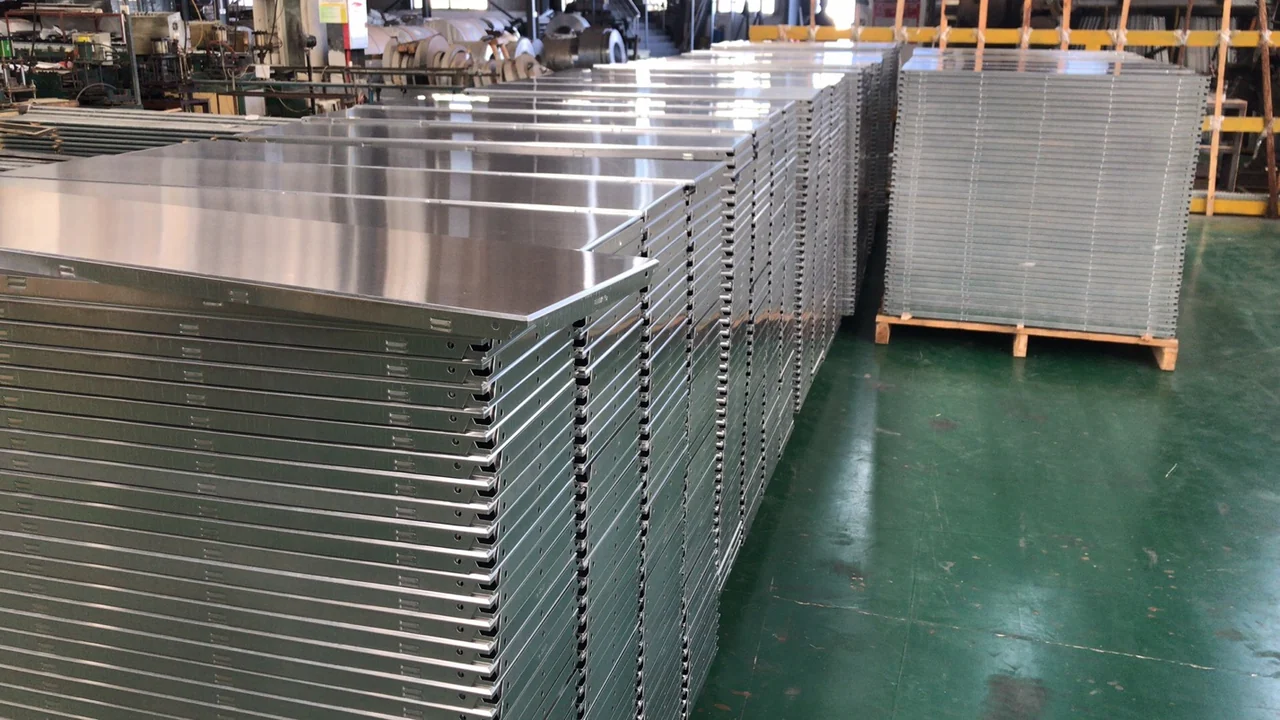
Ask separately for package dimensions, gross weight and the phased packing list. Oversized pieces or an urgent partial shipment can change logistics even when the total panel area is unchanged. Do not compare a factory collection price with a delivered price as though their scope were identical.
Make approvals and lead-time triggers visible
Separate sample preparation, drawing coordination, finish approval, manufacturing, inspection and dispatch. State which approved documents and commercial conditions start the quoted production period. If a project needs partial deliveries, agree which panel IDs belong to each release and how changes affect completed work.
Keep payment milestones, quotation validity, change procedures and acceptance criteria in the commercial offer. Technical approval should reference the current drawings and sample codes; it should not be an informal approval of a photograph detached from the order.
Prepare the enquiry
Upload PDF, DWG, DXF or ZIP drawings with your panel schedule, finish and destination. The contact page also provides a branded quotation checklist. For the technical package, use the drawing guide and finish approval guide before requesting like-for-like offers.