Why does an aluminum-to-steel connection need special attention?
Galvanic corrosion needs three things at once: dissimilar metals, an electrical connection and an electrolyte such as trapped rainwater. Break the electrical path or keep the joint dry and it stops. Coastal salt makes moisture more conductive, so retained water at a joint matters even more there.
Aluminum panels, steel supports and metal fasteners work together when the interfaces are designed. In a wet couple, a large cathode against a small anode concentrates corrosion on the anode, so detail metal choice, separation, exposed areas and drainage together.
Where can metal contact bypass an isolation pad?
Trace the connection from panel return to bracket, bolt and support member. A bolt shank touching an unprotected hole edge, a metal washer bridging the isolator or a misplaced bracket edge can reconnect the metals.
| Location | Contact or moisture path | Detailing response |
|---|---|---|
| Panel return against a steel bracket | Broad face-to-face contact with moisture held between surfaces | Provide a durable, compatible separating layer across the specified contact area. |
| Bolt through separated components | Shank, washer or hole edge bridges the separation | Coordinate sleeves, washers and the fastening arrangement as one joint. |
| Horizontal ledge or pocket | Water and deposits remain against the interface | Provide a drainage route and avoid water-trapping geometry. |
| Damaged coating at drilling or tightening | Exposed metal remains connected in a wet area | Specify the protection and repair procedure for fabricated and site-worked surfaces. |
Choose isolators for more than non-conductivity: the joint still carries load, holds bolt clamp force and allows its assigned movement. Specify isolator durability, compression, moisture exposure, coating compatibility and fire requirements.
Is paint between the metals sufficient?
Paint separates only while it is unbroken; drilling, cut edges, fastening and movement damage it locally. Specify durable non-conductive separation at the aluminum-to-steel contact paths as well.
Coating, isolation and drainage do different jobs: coating protects surfaces, the isolator breaks the contact path, drainage shortens wet time. The detail should show the bolt sleeve, washer position and drainage path, not just “paint steel”.
Do stainless-steel fasteners always cause aluminum corrosion?
No. Area ratio and exposure decide severity: small stainless fasteners in a large aluminum part are a mild couple, a small aluminum part on a large stainless surface is not. Salt moisture and crevices still need attention.
Specify the whole fastener assembly (bolt, washer, sleeve and supports) so the connection keeps both strength and isolation.
How does this apply to Lianhui solid aluminum panels?
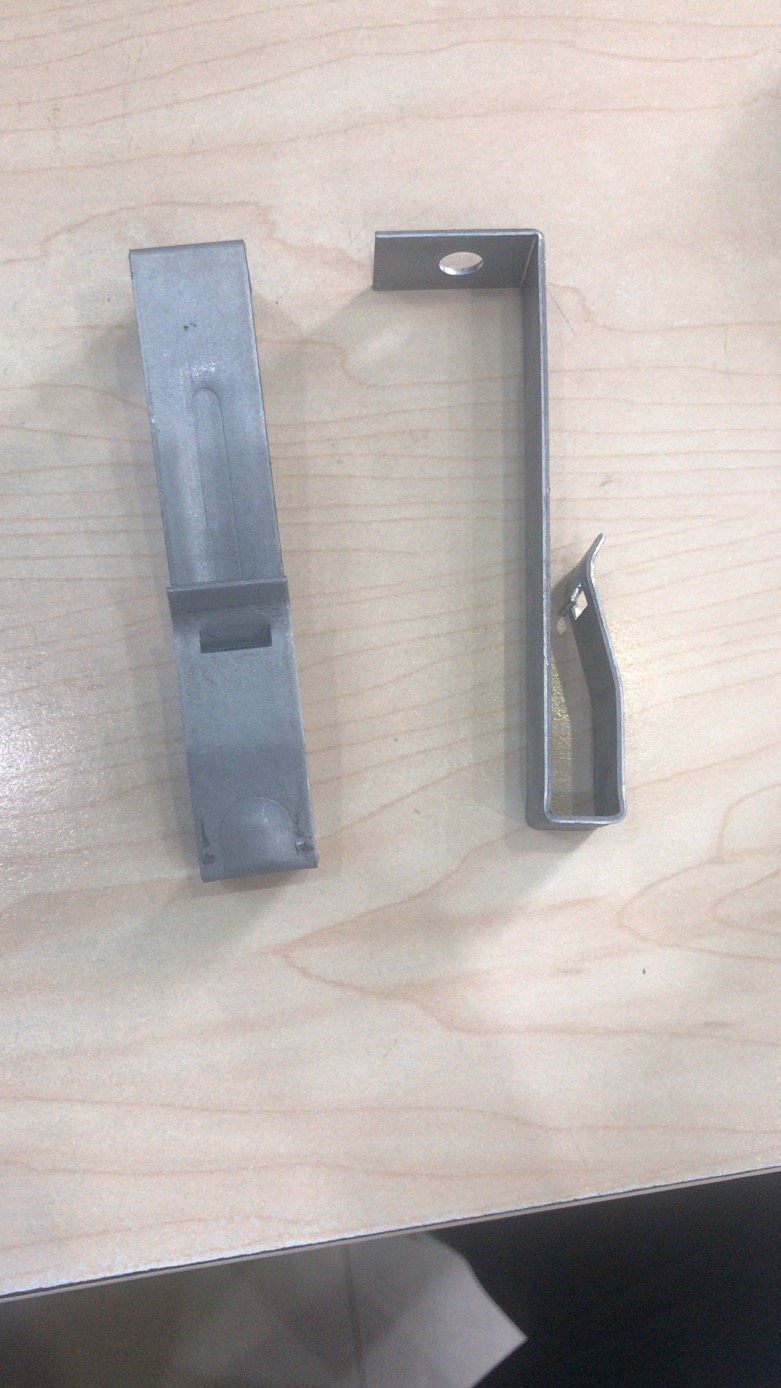
Lianhui’s custom aluminum veneer panel installation drawings show the support members and connection parts, including an aluminum carrier, an isolating pad and a stainless-steel bolt. Panels are 1.5, 2.0, 2.5 or 3.0 mm, AA1100 standard (AA3003 on request), with PVDF recommended for exterior and coastal exposure. Thickness and isolation solve different problems.
Carry the detail into the project support drawing: mark aluminum, steel and stainless parts and their finishes, locate every isolator, and dimension the connection and drainage. Keep sliding connections free to slide.
What should the purchase specification include?
- One complete joint assembly: panel return, carrier or bracket, fasteners and isolators listed together.
- Exposure: exterior rain, sheltered condensation or salt-laden air at the actual site.
- Surface treatment: finish on each metal, including protection of cut and drilled surfaces.
- Water management: a section showing the drainage path, with no sealed water-trapping pockets.
- Installation control: component order and an inspection point before the joint is covered.
For wet exterior aluminum-to-steel joints, buy a documented connection system with durable separation and drainage. For dry protected joints, state how they stay dry, since indoor spaces also see condensation. See PVDF vs powder coating for the finish side.
Buying in volume? Standard ceilings ship from 150–200 m² in 15–20 working days. Get wholesale prices → · Custom project? Send drawings →